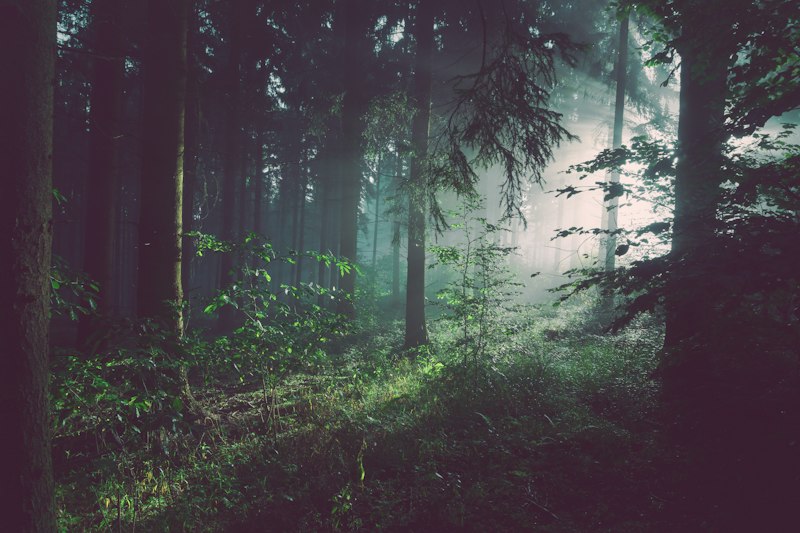
You wake with the scent of damp earth still clinging to your skin—thyme, rosemary, the faint metallic tang of rain on stone. The garden in your dream wasn’t just a place; it was a living thing, breathing with you. Vines curled around your ankles like old friends, tomatoes hung heavy on the vine, their skins split from ripeness. You knelt to pull weeds, but the roots resisted, tangled deep in the soil of something you couldn’t name. A shadow passed over the beds—your own?—and suddenly the garden wasn’t lush anymore. The leaves curled inward, edges crisped with something unseen. You reached for a peach, its flesh warm from the sun, but when you bit down, the juice turned to ash on your tongue.
The dream lingers—not in your mind, but in your hands. Your fingers twitch, remembering the weight of the trowel. Your chest feels hollow, like the moment after you’ve held your breath too long. What was that garden trying to grow in you?
The Symbolic Meaning
In Jungian psychology, the garden is the psyche’s fertile ground—the place where your unconscious tends its wildest seeds. It’s not just nature; it’s cultivated nature, a collaboration between your conscious efforts and the deeper, untamed forces within you. A thriving garden? That’s your individuation process in full bloom—your unique self, nurtured and unfolding. But a withered garden? That’s the shadow of neglect, the parts of you left unattended, starved of light or water.
The garden also mirrors your anima or animus—the inner feminine or masculine that Jung believed we all carry. A garden overrun with weeds might signal a disconnect from your nurturing side. A perfectly manicured plot? Perhaps you’re controlling your emotions too tightly, pruning away spontaneity. And if you’re eating from the garden—ah, that’s the sacred marriage, the union of opposites within you, tasting the fruit of your own wholeness.
The Emotional Connection
You don’t dream of gardens when life is neutral. You dream of them when you’re standing at a threshold—starting a project, healing from a loss, questioning your purpose. The garden is the embodied metaphor of your inner life’s seasons. Are you planting? Harvesting? Letting go?
From the field: A study in Dreaming found that garden dreams spike during periods of transition—career changes, parenthood, recovery from illness. One participant, a 42-year-old teacher, dreamed of a garden where every plant bore her students’ faces. She was struggling with burnout, and the dream revealed her unconscious fear of “failing to nurture” them. The garden wasn’t about her students; it was about her own capacity to care without depleting herself.
Garden dreams also surface when you’re grappling with control. The soil is too dry, the rain won’t come, the pests invade—these aren’t just frustrations; they’re somatic echoes of feeling powerless in waking life. Your nervous system registers these threats as real, even if the “pests” are just your inbox or a difficult conversation.
Where This Dream Lives in Your Body
The garden dream doesn’t just visit your mind—it takes root in your body. Here’s where it lingers:
- Hands and forearms: That ache in your wrists? The phantom weight of the trowel? Your hands hold the memory of doing—planting, weeding, harvesting. If the dream left you feeling helpless (a garden you couldn’t save), your fingers might curl into fists, nails digging into palms. If it was joyful, your hands feel light, as if still cradling ripe fruit.
- Solar plexus: That tightness just below your ribs? That’s your personal power center reacting to the garden’s state. A thriving garden leaves you feeling warm, expansive, like sunlight radiating from your core. A dying garden? A knot of dread, as if you’ve swallowed a stone.
- Jaw and throat: Did you speak to the garden? Whisper to the plants? Or did you swallow words, unable to ask for help? Your jaw might clench, your throat feel raw—your body mourning the unsaid.
- Feet and ankles: The garden’s soil is your foundation. If you were barefoot in the dream, notice how your feet feel now. Are they grounded, heavy with earth? Or light, unsteady, like you’re about to lift off? That’s your nervous system processing stability vs. upheaval.
- Chest: The garden’s air—was it thick with pollen, or stale with decay? Your chest might feel constricted, as if you’re breathing through a veil. Or open, expansive, like your lungs are drinking in the dream’s scent.
Somatic Release Exercise
“Rooting and Releasing”
For: When the garden dream leaves you feeling untethered—whether from joy, grief, or overwhelm. This exercise works with the dorsal vagal complex (the “freeze” response) and the ventral vagal (social engagement) to restore safety and groundedness.
How to do it:
- Find your feet: Stand barefoot on grass, soil, or even a rug. Press down through the balls and heels of your feet. Imagine roots growing from your soles, sinking into the earth. Breathe in for 4 counts, out for 6. Repeat 3 times. (This activates your parasympathetic nervous system, countering the dream’s disorientation.)
- Hand to soil: Rub your palms together until they’re warm. Cup them as if holding soil. Inhale, then exhale sharply through your mouth, like you’re blowing dust from your hands. Repeat 5 times. (This releases tension in the flexor muscles of your hands, where “doing” energy gets stuck.)
- Sway and settle: Shift your weight from foot to foot, slowly. Let your arms hang loose. If your body wants to sway, let it. After a minute, stop and notice: Do you feel heavier? Lighter? The swaying mimics the pendulation technique from Somatic Experiencing—helping your nervous system process the dream’s charge.
- Harvest breath: Place one hand on your belly, one on your chest. Inhale deeply, imagining you’re drawing up nutrients from the earth. Exhale, whispering, “I am here.” Repeat until your breath feels steady. (This bridges the gut-brain axis, where emotions like shame or joy live.)
Why it works: Garden dreams often leave you in a liminal state—between growth and decay, control and surrender. This exercise uses bilateral stimulation (the swaying) and interoception (noticing body sensations) to help your nervous system integrate the dream’s message. As Bessel van der Kolk writes, “The body keeps the score”—and the garden is your body’s ledger.
Dream Variations and Their Specific Meanings
| Dream Scenario | Jungian Interpretation | Body Clue |
|---|---|---|
| Planting seeds in a garden | Initiating a new phase of growth—creative project, relationship, or personal transformation. The seeds are potential; your unconscious is asking, “Are you ready to tend this?” | Tingling in fingertips; a sense of “lightness” in the solar plexus. |
| Harvesting vegetables or fruit | Reaping the rewards of your labor. This is the integration phase of individuation—your efforts are bearing fruit. But if the harvest feels meager, check for self-sabotage in waking life. | Warmth in the hands; a “full” feeling in the chest, like a deep breath held. |
| A garden overrun with weeds | Neglected aspects of yourself—unresolved emotions, abandoned goals, or disowned traits. The weeds are shadow material; your psyche is begging for attention. | Tightness in the jaw; a “heavy” feeling in the legs, like wading through mud. |
| Eating from the garden | The sacred marriage of opposites within you—mind and body, logic and intuition. If the food is sweet, you’re nourishing yourself. If it’s bitter, you’re ingesting something toxic (a belief, a relationship). | Salivation or dry mouth; a “drop” in the stomach, like falling. |
| A garden with no plants, just soil | Potential without direction. You’re in a liminal space—not empty, but waiting. The dream is asking, “What do you want to grow here?” | Hollow feeling in the chest; restlessness in the feet. |
| A dying or dead garden | Grief, burnout, or a sense of failure. This isn’t just about loss; it’s about what you’re afraid to lose. The garden’s death mirrors your fear of your own depletion. | Pressure in the throat; a “stone” in the solar plexus; shallow breathing. |
| A garden with poisonous plants | Hidden dangers in your psyche—self-destructive patterns, toxic relationships, or repressed anger. The poison is shadow work waiting to be acknowledged. | Nausea; a metallic taste in the mouth; tension in the shoulders. |
| A garden that’s not yours | You’re tending someone else’s growth—perhaps a child, a partner, or a project that’s not truly yours. The dream is asking, “Where are you giving your energy away?” | Fatigue in the arms; a “dull” ache in the lower back. |
| A garden with talking plants | Your anima/animus is speaking. The plants are aspects of your inner self—feminine intuition, masculine action—trying to get your attention. Listen to their message. | Tingling in the ears; a “buzzing” sensation in the temples. |
| A garden that’s also a maze | You’re navigating complexity—a situation where growth is possible, but the path isn’t clear. The maze is your psyche’s way of saying, “Trust the process, even if you can’t see the exit.” | Dizziness; a “spinning” sensation in the head; tightness in the calves. |
📖 Go deeper: The Complete Guide to Dream Interpretation
Related Dreams
When the Garden Dreams of You
This dream isn’t just a metaphor—it’s a living ecosystem of your unconscious, mapped onto your body. Onera helps you trace the roots: where the dream’s emotions lodge in your jaw, your chest, your hands. Then, with somatic exercises tailored to your nervous system’s response, you tend to what’s been left untended.
Discover What Your Dreams Mean →FAQ
What does it mean to dream about a garden?
A garden in dreams is your inner landscape—a snapshot of your psyche’s growth, neglect, or transformation. Jung saw it as the cultivated unconscious, where your conscious efforts (planting, weeding) meet the wild, untamed forces within you. The garden’s state reflects your emotional state: thriving gardens signal integration and growth; withered gardens point to neglect or fear. Pay attention to what you’re doing in the garden—planting, harvesting, eating—as these actions reveal your relationship with your own potential.
Is dreaming about a garden good or bad?
There’s no universal “good” or “bad”—only what the garden reveals about you. A lush garden isn’t inherently positive; it might signal you’re nurturing something that no longer serves you. A dying garden isn’t inherently negative; it could be an invitation to grieve and let go. The key is to ask: How did the garden make me feel? Your body’s response—tightness, warmth, heaviness—holds the answer. As van der Kolk notes, “The body doesn’t lie.”
What does it mean to dream of a secret garden?
A secret garden is your hidden self—the parts of you that are growing in private, away from the world’s gaze. This could be a talent you’ve buried, a desire you’ve suppressed, or a wound you’ve tucked away. The secrecy isn’t about shame; it’s about protection. Your psyche is saying, “This needs tending, but not yet in the light.” The dream might also hint at a threshold—are you ready to share this part of yourself?
Why do I keep dreaming about the same garden?
Recurring garden dreams are your psyche’s way of insisting. The same garden—whether thriving, dying, or overrun—is a stuck pattern in your unconscious. Your nervous system is trying to complete a cycle: perhaps a grief you haven’t fully processed, a goal you’ve abandoned, or a part of yourself you’ve disowned. The repetition is an invitation to tend differently. Ask: What’s one small action I can take in waking life to shift this garden’s story?