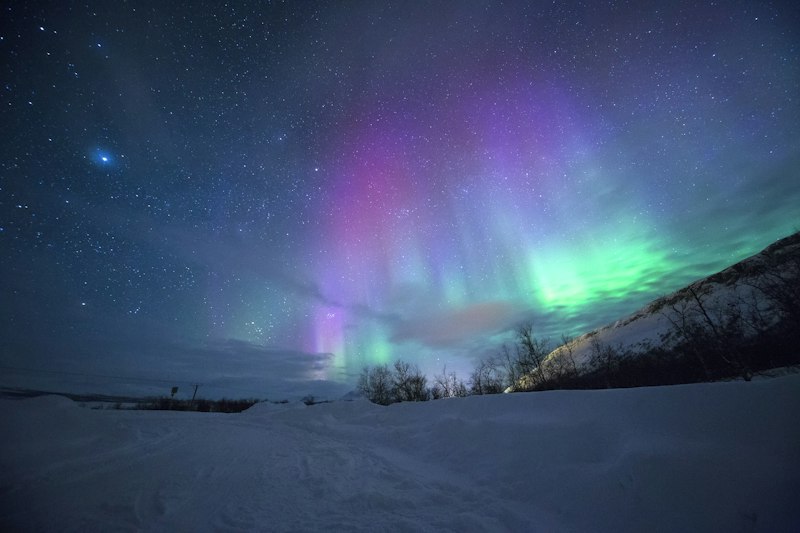
You wake with your breath still visible in the cold air—your bedroom feels like a mountain pass at dawn. The dream lingers: endless white fields stretching under a pale sky, your boots sinking into powder that never melts. Or perhaps it wasn’t peaceful at all—maybe you were lost in a blizzard, the wind howling like a living thing, your fingers numb as you clawed at the air for something solid. Snow in dreams doesn’t just cover the ground. It covers you. It slows your pulse, muffles your voice, turns your body into something both fragile and enduring. And when you wake, your jaw is clenched, your shoulders hunched against a chill that isn’t there.
The dream doesn’t end when you open your eyes. Your skin remembers the cold. Your lungs remember the thin, sharp air. Snow dreams aren’t just about the weather—they’re about the weight of stillness, the terror of being unseen, the quiet before something shifts. Whether it’s a gentle dusting or a storm that buries you alive, the snow in your dream is never just snow. It’s the landscape of your nervous system, asking you to pay attention.
The Symbolic Meaning
In Jungian psychology, snow is a threshold symbol—it marks the boundary between what is known and what is hidden, between life and death, between the conscious mind and the unconscious. Snow blankets the earth, erasing distinctions, forcing you to confront what lies beneath the surface. It’s the prima materia of dreams, the raw material from which transformation begins. When snow appears in your dreams, it often signals a period of psychic hibernation—a time when your psyche is conserving energy, preparing for a shift you can’t yet name.
But snow is also the archetype of purification. It falls silently, covering wounds, smoothing jagged edges. In many traditions, snow is linked to the anima—the feminine, receptive aspect of the psyche—because it absorbs sound, softens impact, and holds space for what is yet to emerge. If you’re dreaming of snow, your unconscious may be inviting you to pause. To let go of the need to act, to fix, to control. To trust the stillness, even if it feels like nothing is happening.
Yet snow can also be a shadow symbol—a force of isolation, of being cut off from warmth, from connection. If the snow in your dream feels oppressive, suffocating, or endless, it may reflect a part of yourself you’ve buried, a truth you’ve refused to thaw. The cold isn’t just external. It’s inside you, a frozen river waiting to be cracked open.
The Emotional Connection
You don’t dream of snow by accident. These dreams visit when life feels too much—when the noise of obligations, the weight of expectations, or the relentless pace of modern existence leaves you craving silence. Snow dreams often surface during:
- Periods of transition—a move, a breakup, a career change—when the future feels uncertain and the past is already buried.
- Times of emotional numbness, when you’ve disconnected from your feelings to survive (a common trauma response, per van der Kolk’s research on dissociation).
- Moments of creative or spiritual drought, when you’re waiting for inspiration, for direction, for a sign that you’re still alive beneath the layers.
- After a loss—not just of a person, but of a version of yourself. Snow dreams can mark the death of an identity, a role, a way of being in the world.
“I started dreaming of snow every night after my father died. Not blizzards—just endless white fields, like the world had been erased. At first, I thought it was about grief, but then I realized it was about space. The snow was giving me room to breathe, to exist without having to perform, to feel without having to explain. It was the first time I’d let myself be still in years.”
— Testimonial from Onera user, mapped to chest tightness and jaw clenching
Snow dreams can also emerge when you’re avoiding something. The cold is a natural anesthetic—it dulls sensation, slows reaction time. If you’re dreaming of being trapped in snow, your body may be trying to tell you that you’re freezing out an emotion, a conflict, or a truth you’re not ready to face. The question isn’t why is the snow here? The question is what is the snow protecting you from?
Where This Dream Lives in Your Body
Snow dreams don’t just live in your mind. They settle into your body, leaving traces in the tissues, the breath, the nervous system. Here’s where you might feel them:
- Jaw and temples — A tight, clenched jaw is common in snow dreams, especially if the cold in the dream felt oppressive. This is your body’s way of holding back—words, screams, truths. The tension here can linger for hours after waking, a physical echo of the dream’s silence.
- Chest and diaphragm — Snow dreams often bring a heaviness in the chest, like your lungs are filled with ice. This isn’t just about cold—it’s about emotional constriction. Your diaphragm may feel locked, your breath shallow. This is your body mimicking the dream’s stillness, a somatic response to the fear of being seen, of taking up space.
- Hands and fingers — Numbness or tingling in the hands is a classic sign of snow dreams, especially if you were touching the snow in the dream. This is your nervous system recreating the cold, a physiological memory of the dream’s sensory details. If your hands feel stiff or weak upon waking, it may reflect a deeper fear of losing your grip—on a situation, a relationship, or your own agency.
- Stomach and solar plexus — A dropping sensation in the stomach, like you’re falling into the snow, is common in dreams of being lost or buried. This is your enteric nervous system (your “second brain”) reacting to the dream’s disorientation. The stomach is where we process instinct—if it’s unsettled after a snow dream, your body may be telling you that something in your waking life feels unsafe or uncertain.
- Feet and legs — If you were walking through snow in the dream, you might wake with a heavy, sluggish feeling in your legs. This is your body simulating the effort of moving through resistance. It’s a somatic metaphor for the weight of your circumstances—the things that are slowing you down, holding you back, or making every step feel like a struggle.
Somatic Release Exercise
Thawing the Freeze: A Somatic Exercise for Snow Dreams
Why this works: Snow dreams often trigger the dorsal vagal response—a primitive freeze state where the body shuts down to conserve energy (Levine’s Somatic Experiencing framework identifies this as a trauma survival mechanism). This exercise gently reactivates the ventral vagal complex, the part of your nervous system responsible for safety, connection, and social engagement. By focusing on warmth and movement, you signal to your body that the threat (real or symbolic) has passed.
Step 1: Grounding (2 minutes)
Sit or stand with your feet flat on the floor. Close your eyes and imagine roots growing from the soles of your feet, anchoring you to the earth. Breathe deeply into your belly, feeling the weight of your body. If your mind drifts to the dream, gently bring it back to the sensation of your feet on the ground. This interrupts the freeze response by reminding your nervous system that you are here, now, safe.
Step 2: Self-Touch for Warmth (3 minutes)
Rub your hands together briskly until they’re warm. Place one hand on your chest (over your heart) and the other on your stomach. Breathe slowly, imagining the warmth from your hands melting the ice in your dream. If you felt numbness in your hands in the dream, focus on the sensation of heat spreading into your fingers. This activates the social engagement system, counteracting the isolation of the snow.
Step 3: Movement (5 minutes)
Stand up and shake out your limbs, one at a time. Start with your hands, then arms, then legs. Imagine you’re shaking off the snow, releasing the dream’s grip on your body. Next, try a slow, deliberate walk around the room. With each step, say to yourself: “I am moving forward.” If you felt stuck in the dream, this movement helps your nervous system complete the action it was unable to in the dream.
Step 4: Vocalization (1 minute)
Open your mouth and exhale with a long, audible “haaa” sound, like you’re fogging up a window. Repeat 3-5 times. This engages the vagus nerve, which runs from your brainstem to your abdomen and regulates your stress response. If the snow in your dream felt suffocating, this sound helps clear the air, both literally and symbolically.
Note: If you feel dizzy or overwhelmed during this exercise, pause and return to the grounding step. Your body may need more time to thaw.
Dream Variations and Their Specific Meanings
| Dream Scenario | Psychological Meaning | Body Mapping Clue |
|---|---|---|
| Walking through deep snow | You’re navigating a difficult transition or emotional burden. The depth of the snow reflects the weight of what you’re carrying. If it’s hard to move, your unconscious may be signaling that you’re resisting the process. | Heavy legs, shallow breath, tight calves. |
| Being lost in a blizzard | A fear of losing direction in life, or feeling overwhelmed by chaos. The blizzard represents external pressures (work, relationships, societal expectations) that are obscuring your path. Your psyche is asking: What do you need to see clearly? | Tunnel vision upon waking, clenched fists, rapid heartbeat. |
| Snow falling gently | A sign of psychic renewal. Your unconscious is preparing you for a period of introspection or creativity. The gentle snow suggests that this transition will be soft, natural, unforced. Trust the process. | Lightness in the chest, relaxed shoulders, deep sighs. |
| Snow melting | A thawing of emotional blocks or repressed feelings. Something you’ve been avoiding is ready to surface. The melting snow may reveal hidden truths, memories, or desires. Pay attention to what’s uncovered. | Warmth in the hands, tingling in the fingers, a sense of release in the jaw. |
| Being buried in snow | A fear of being overwhelmed or erased by life’s demands. This dream often surfaces when you’re taking on too much, or when you feel invisible in your waking life. Your body is screaming: You need boundaries. | Chest tightness, difficulty taking deep breaths, a sense of pressure on the ribs. |
| Playing in the snow | A call to reconnect with joy, spontaneity, or childhood. Your psyche is reminding you that life doesn’t have to be serious all the time. If the snow was fun in the dream, it’s a sign that you’re ready to play again. | Lightness in the limbs, laughter upon waking, a sense of warmth in the belly. |
| Snow turning to ice | A warning that emotional rigidity is setting in. The ice represents a part of yourself (or a situation) that has become hard, unyielding, brittle. This dream asks: Where are you refusing to bend? | Stiffness in the neck or back, cold hands, a sense of being ’stuck” in the body. |
| Building a snowman | You’re in the process of creating something new—a project, a relationship, a version of yourself. The snowman represents the temporary nature of this creation. It won’t last forever, and that’s okay. The joy is in the building. | Creative energy upon waking, a sense of purpose, warmth in the hands. |
| Driving in snow | You’re navigating a high-stakes situation in waking life, and the conditions feel treacherous. The snow represents uncertainty or lack of control. If you were driving carefully, it’s a sign to proceed with caution. If you were skidding, your unconscious may be warning you to slow down. | Tight grip on the steering wheel (even in waking life), shallow breathing, tension in the shoulders. |
| Snow on a grave | A symbol of unresolved grief or guilt. The snow represents the layers you’ve placed over this emotion to keep it buried. This dream is an invitation to acknowledge what you’ve lost—not to “get over it,” but to let it exist. | Heavy chest, a lump in the throat, a sense of emptiness in the stomach. |
📖 Go deeper: The Complete Guide to Dream Interpretation
Related Dreams
When the Snow Doesn’t Melt on Its Own
Snow dreams leave traces—not just in your mind, but in your body. Onera helps you map where the cold has settled, then guides you through somatic exercises to thaw what’s frozen. No interpretations, no guesswork. Just the wisdom of your nervous system, decoded.
Discover What Your Dreams Mean →FAQ
What does it mean to dream about snow?
Snow in dreams is a threshold symbol—it represents the boundary between what is known and what is hidden. Psychologically, it often signals a period of transition, stillness, or emotional hibernation. The meaning shifts depending on the context: gentle snowfall may indicate renewal, while a blizzard could reflect overwhelm or isolation. Your body’s reaction to the dream (clenched jaw, heavy chest, numb hands) offers clues about what the snow is protecting you from or preparing you for.
Is dreaming about snow good or bad?
Snow dreams aren’t inherently good or bad—they’re information. The “goodness” or “badness” depends on how the snow feels in the dream and how your body responds upon waking. If the snow brought peace, your unconscious may be inviting you to embrace stillness. If it felt suffocating, your psyche might be highlighting a part of your life where you feel cut off or overwhelmed. The key is to listen to the somatic echoes—where the dream lives in your body.
What does it mean to dream of snow in summer?
Snow in summer is a juxtaposition dream, a collision of opposites. It often reflects a disconnect between your inner world and outer reality. For example, you might feel emotionally “frozen” in a situation that appears warm or vibrant on the surface (a relationship, a job, a creative project). This dream asks: Where are you out of sync with your environment? The snow in summer is a sign that your unconscious is trying to rebalance you.
Why do I keep dreaming about snow?
Recurring snow dreams suggest your psyche is stuck in a loop. Something in your waking life—an emotion, a conflict, a transition—isn’t being fully processed, so your unconscious keeps returning to the symbol of snow as a way to contain or control it. The repetition is an invitation to dig deeper. Ask yourself: What am I avoiding? What needs to thaw? The answer often lies in the body sensations that accompany the dream (e.g., chest tightness = unexpressed grief; numb hands = fear of losing control).
Disclaimer: Dream interpretations are not a substitute for professional mental health care. If your dreams are causing distress or interfering with your daily life, consider speaking with a therapist trained in somatic or depth psychology. The exercises provided are for educational purposes only and should not replace medical advice.