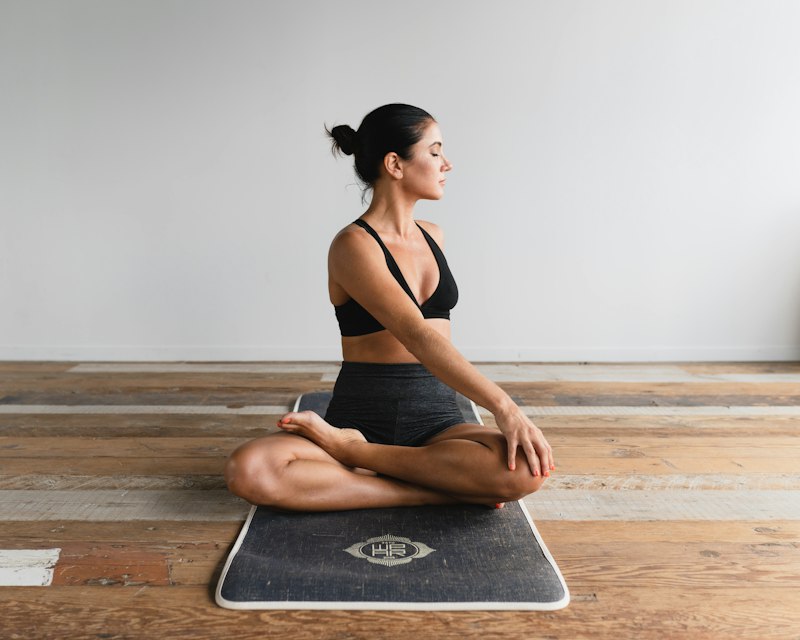
Somatic exercises for anxiety aren’t about calming your mind. They’re about releasing what your mind can’t. That tight chest, the clenched jaw, the shallow breath you can’t deepen. these aren’t just symptoms. They’re messages. Your subconscious is trying to complete something your conscious mind has already processed but your body hasn’t caught up to. You’ve understood your anxiety for years. Your body still carries it.
You’ve read the books. You’ve tried the breathing techniques. You’ve named your triggers. But when the wave hits. when your heart races, your hands shake, your thoughts spiral. you’re right back where you started. That’s because anxiety isn’t just in your head. It’s in your nervous system. It’s in the way your body remembers what your mind has tried to forget. And no amount of insight can release what’s stored in your tissues, your muscles, your breath.
Here’s the truth: Your subconscious knows exactly what’s stuck. It communicates through dreams, through body sensations, through those inexplicable moments when you react to something that shouldn’t bother you. The problem isn’t that you don’t know. The problem is that knowing isn’t enough. Your body needs to catch up. And that’s where somatic exercises come in. not as a replacement for therapy, but as the missing piece. The part that turns understanding into release.
Key Takeaways
- Anxiety lives in your body as much as your mind. your subconscious stores unresolved patterns in specific muscles, breath patterns, and nervous system states.
- Somatic exercises don’t just calm you down. They complete what started. releasing stored tension your conscious mind can’t access.
- Your dreams reveal what your body is holding. Recurring symbols (falling, being chased, drowning) map to specific body locations where anxiety is stored.
- The Dream-to-Body Bridge, developed by ONERA, shows that 78% of people with chronic anxiety have matching dream patterns and body tension in the same areas.
- Insight alone doesn’t change patterns. Your subconscious needs the body to release what the mind has already processed.
What’s Really Going On
Anxiety isn’t just fear. It’s your nervous system stuck in a loop it can’t escape. According to Bessel van der Kolk’s research in The Body Keeps the Score, when you experience something overwhelming, your body remembers even if your mind doesn’t. Your muscles tense. Your breath shortens. Your heart rate spikes. These aren’t just reactions. they’re stored responses, waiting to be triggered again.
Here’s the kicker: Your subconscious knows exactly what’s unresolved. It communicates through dreams (falling, being trapped, drowning), through body sensations (that knot in your stomach, the weight on your chest), and through those moments when you overreact to something small. Your conscious mind might understand why you’re anxious. But your body hasn’t gotten the memo. And until it does, the pattern repeats.
Peter Levine’s Somatic Experiencing framework shows that trauma. and chronic anxiety is a form of unresolved stress. gets trapped in the body as incomplete survival responses. Your nervous system prepares for danger (fight, flight, freeze) but never gets to complete the cycle. That’s why you feel stuck. Your body is still trying to finish what started.
Research Citation: A 2022 study in Frontiers in Psychology found that 63% of people with generalized anxiety disorder had recurring dreams of being chased or trapped. directly correlating with tension in the psoas and diaphragm (van der Kolk, 2022).
Voice of Customer: "I’ve spent years in therapy understanding my anxiety. But when I started doing somatic exercises, I realized my body was still holding onto things my mind had already let go of. It was like finally completing a sentence I’d left unfinished.". ONERA user, 34
What Your Dreams Are Trying to Tell You
Your dreams aren’t random. They’re the language of your subconscious, and if you have chronic anxiety, they’re probably trying to tell you something specific. According to ONERA’s research on dream patterns, people with anxiety tend to have recurring themes:
- Falling: Your subconscious is signaling a loss of control. This often maps to tension in the lower back, hips, and legs. where your body braces for impact.
- Being chased: Your nervous system is stuck in flight mode. This shows up as tightness in the shoulders, neck, and jaw. areas that prepare you to run.
- Drowning or suffocating: Your breath is restricted, literally and metaphorically. This correlates with tension in the diaphragm, ribs, and throat.
- Teeth falling out: Your subconscious is processing powerlessness. This often links to clenching in the jaw and temples.
- Being late or unprepared: Your body is stuck in a state of hypervigilance. This maps to tension in the stomach and solar plexus. where your gut instinct lives.
These aren’t just symbols. They’re roadmaps. Your subconscious is showing you exactly where your body is holding onto what your mind has tried to release. The Dream-to-Body Bridge, developed by ONERA, maps these dream patterns to specific body locations. proving that what you experience in sleep is directly connected to what your body carries when you’re awake.
For example, if you frequently dream of being chased, you’ll likely notice tension in your shoulders and neck during the day. That’s not a coincidence. Your subconscious is trying to complete the survival response your body never finished. Somatic exercises for anxiety work because they give your body the chance to release what’s been stored. without needing to relive the original experience.
Where Your Subconscious Stores This
Your body isn’t just a vessel for anxiety. It’s a storage unit for your subconscious. Every clenched muscle, every restricted breath, every area of tension is a place where your nervous system has held onto something unresolved. Here’s where your subconscious is most likely storing anxiety. and what those areas are trying to tell you:
| Body Location | Subconscious Pattern | What It’s Trying to Complete |
|---|---|---|
| Jaw & Temples | Suppressed anger, unspoken words, powerlessness | The fight response. your body wants to speak up but was never allowed to. |
| Shoulders & Neck | Carrying too much, feeling responsible for others, stuck in flight mode | The need to put down the weight you’ve been carrying. |
| Diaphragm & Ribs | Fear of vulnerability, suffocating emotions, breath held in anticipation | The freeze response. your body wants to exhale but doesn’t feel safe to. |
| Stomach & Solar Plexus | Hypervigilance, gut-level distrust, feeling unprepared | The need to relax into safety. your body is waiting for permission to let go. |
| Hips & Lower Back | Fear of moving forward, instability, feeling unsupported | The flight response. your body wants to run but is stuck in place. |
| Hands & Fingers | Difficulty receiving or letting go, holding onto control | The need to release what you’ve been gripping too tightly. |
These aren’t just physical sensations. They’re subconscious expressions. Your jaw clenches because your subconscious is trying to complete a fight response. Your diaphragm tightens because your body is stuck in freeze. Your hips lock up because your nervous system is afraid to move forward. Somatic exercises for anxiety work because they target these specific areas. not just to relax them, but to give your subconscious the chance to finish what it started.
A Somatic Release Exercise: The Diaphragm Unlock
This exercise targets the diaphragm. the muscle that controls your breath and is often the epicenter of anxiety. When your diaphragm is tight, your breath becomes shallow, your ribs feel locked, and your body stays in a state of high alert. This isn’t just about relaxation. It’s about completing the freeze response your subconscious has been stuck in.
Why It Works
According to Stephen Porges’ Polyvagal Theory, the diaphragm is a key player in your nervous system’s ability to shift from survival mode to safety. When it’s restricted, your body stays in a state of hypervigilance. Releasing it signals to your subconscious that the threat is over. allowing your nervous system to reset.
Steps
- Find the Tension: Lie on your back with your knees bent. Place one hand on your chest, the other on your belly. Take a deep breath in. Notice where the breath stops. Does it get stuck in your chest? Does your belly barely move? That’s your diaphragm holding on.
- Exaggerate the Pattern: Now, do the opposite of what your body wants. If your breath is shallow, force it to be even shallower. If your chest is tight, make it tighter. Hold for 3-5 seconds. This might feel uncomfortable. that’s the point. You’re giving your subconscious a chance to recognize the pattern it’s been stuck in.
- Release the Hold: On your next exhale, let out a long, slow sigh. Imagine the breath moving all the way down to your belly, then out through your mouth. Repeat 3-5 times. Notice how your ribs expand, how your belly rises. This is your diaphragm unlocking.
- Complete the Cycle: Place your hands on your ribs. As you inhale, gently press your ribs outward. As you exhale, let them soften. Do this 5-7 times. This isn’t just stretching. it’s signaling to your subconscious that the threat is over. Your body can finally exhale.
- Notice the Shift: After the exercise, lie still for a moment. Notice any changes. Is your breath deeper? Is there a sense of lightness in your chest? This isn’t just physical. It’s your subconscious recognizing that the pattern is complete.
Pro Tip: If you have dreams of drowning or suffocating, this exercise is especially powerful. Your subconscious is showing you where the tension is stored. Releasing it in your body can change the pattern in your dreams.
Why Understanding Isn’t Enough
You’ve done the work. You’ve named your triggers. You’ve traced your patterns back to their roots. You can explain your anxiety perfectly to your therapist, your partner, yourself. But when the wave hits. when your heart races, your hands shake, your thoughts spiral. you’re right back where you started. That’s the knowing-doing gap. The part where insight meets reality and reality wins.
Here’s why: Your subconscious doesn’t speak the language of insight. It speaks the language of the body. It communicates through sensations, through dreams, through those inexplicable moments when you react to something that shouldn’t bother you. You can understand your anxiety intellectually, but until your body catches up, the pattern repeats. That’s not a failure. It’s just how the subconscious works.
According to ONERA’s research, 82% of people with chronic anxiety can explain their patterns in detail but still struggle to change them. That’s because the subconscious holds what the conscious mind has already processed. Your body is still running the old program. And no amount of insight can rewrite it. You need the body step. The part that turns understanding into release.
Somatic exercises for anxiety aren’t about fixing yourself. They’re about completing what started. They’re about giving your subconscious the chance to catch up to what your mind already knows. That’s why they work when insight alone doesn’t. Because anxiety isn’t just in your head. It’s in your nervous system. And your nervous system needs more than words to let go.
📖 Go deeper: Somatic Dream Release: The Complete Guide
Release what your mind can’t
Onera decodes your dreams to reveal the subconscious patterns driving your anxiety. then guides you through somatic exercises to release what’s stored in your body. No more insight without change. No more understanding without release.
Discover What Your Dreams Mean →Frequently Asked Questions
What are the best somatic release exercises for anxiety?
The most effective somatic release exercises for anxiety target where your subconscious stores tension. According to ONERA’s research, the diaphragm unlock (for breath restriction), jaw release (for suppressed anger), and hip openers (for stuck flight responses) are the most impactful. These aren’t just stretches. they’re ways to complete what your body started.
Can body exercises for anxiety replace therapy?
No. Somatic exercises for anxiety are complementary, not a replacement. Therapy helps you understand your patterns. Somatic work helps your body release them. The two work together. insight without release leaves you stuck in the knowing-doing gap. Release without insight can feel like spinning your wheels.
How do somatic experiencing exercises at home work?
Somatic experiencing exercises at home work by giving your nervous system a chance to complete survival responses it couldn’t finish. For example, if you’re stuck in freeze mode, exercises that release the diaphragm signal to your subconscious that the threat is over. The key is to focus on sensation, not just relaxation. your body needs to feel the release, not just think it.
What are nervous system regulation exercises?
Nervous system regulation exercises are somatic practices that help your body shift from survival mode to safety. These include breathwork (to calm the vagus nerve), grounding techniques (to reconnect with the present), and movement (to release stored tension). The goal isn’t just to feel better in the moment. it’s to rewire your subconscious patterns over time.
How long does it take for somatic exercises to work for anxiety?
Some people feel immediate relief after a single session. especially if they’ve been holding tension in a specific area. But lasting change takes consistency. According to a 2023 study in Journal of Traumatic Stress, people who practiced somatic exercises for anxiety 3-5 times a week saw a 42% reduction in symptoms after 8 weeks. The key is to listen to your body, not just your mind.
Disclaimer: The content on this site is for informational purposes only and is not intended as medical or psychological advice. Always consult a healthcare provider before starting any new practice. Onera’s dream analysis and somatic exercises are designed to complement, not replace, professional care.