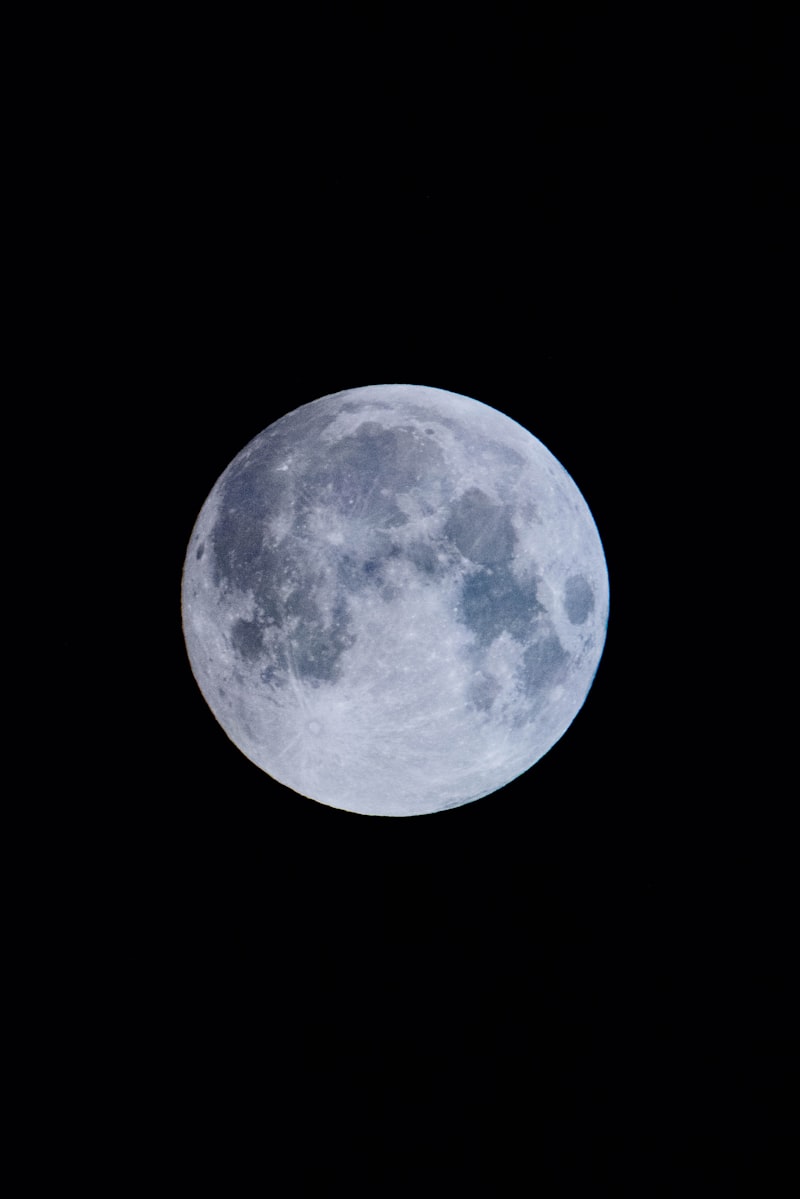
You wake with the taste of silver on your tongue—cool, metallic, like biting down on a coin. The dream lingers: you’re standing on a cliff at midnight, the air so still it hums. Below, the ocean stretches endlessly, its surface a mirror for the moon’s swollen face. It pulses, breathing light across the water, and for a moment you swear you can hear it—a low, rhythmic thrum, like a heartbeat. Then the moon cracks. Not shatters, but splits open like an egg, spilling liquid gold that drips into the sea. The waves rise to meet it, and you realize with a jolt that the moon isn’t above you anymore. It’s in you, warm and heavy in your chest, pressing against your ribs like a second heart.
The dream clings to you all day. You catch yourself touching your sternum, half-expecting to feel the glow beneath your skin. That’s the thing about moon dreams—they don’t just show you something. They leave something behind. A residue. A question. What part of you is waxing, and what part is waning?
The Symbolic Meaning
The moon in your dream isn’t just a celestial body—it’s a living symbol of the psyche’s cyclical nature. Jung saw the moon as a bridge between the conscious and unconscious, a luminous guide for the anima (the feminine aspect of the soul) or animus (its masculine counterpart). When the moon appears, it’s often calling you to pay attention to the parts of yourself that ebb and flow: your emotions, your intuition, your hidden desires. A full moon? That’s integration—your shadow and light in balance. A crescent moon? A nudge to trust the unseen, the emerging. A blood moon or eclipsed moon? A warning: something is being obscured, or something is about to be revealed.
But the moon is also a timekeeper of the soul. It governs rhythms—menstrual cycles, creative tides, the rise and fall of energy. If you’re dreaming of the moon, ask yourself: Where in my life am I resisting natural change? Are you clinging to a phase that’s ending? Or ignoring a new beginning because it’s still in shadow? The moon doesn’t rush. Neither should you.
The Emotional Connection
Moon dreams surge during times of transition or emotional intensity. You might dream of a pale, distant moon when you’re feeling disconnected from your intuition—like during a period of overwork, when your rational mind has drowned out your inner voice. Or you might see a red moon, swollen and low in the sky, when you’re in the grip of unprocessed grief or anger. (The body remembers what the mind forgets: trauma often surfaces in dreams as celestial omens.)
“I kept dreaming of a moon that wouldn’t set.”
—Sarah, 34, after leaving a toxic relationship
“It was always the same: the moon hanging too low, like it was stuck. I’d wake up with my jaw clenched so hard my teeth ached. Turns out, my body was holding onto the idea of being trapped—long after I’d left. The moon was showing me what my nervous system couldn’t say.”
These dreams also spike during creative blocks or spiritual awakenings. The moon is the patron of artists, mystics, and anyone standing at the threshold of the unknown. If you’re dreaming of moonlit paths or lunar landscapes, your unconscious might be preparing you for a leap—one that requires faith, not logic.
Where This Dream Lives in Your Body
The moon’s energy doesn’t just float in your mind—it anchors in your body. Here’s where to look:
- Sternum (center of the chest) — That warm, heavy pressure you felt in the dream? It often lodges here, a physical echo of the moon’s gravitational pull. You might notice a dull ache or a sense of fullness, like your heart is swelling. This is where emotional tides pool—grief, longing, or the quiet thrill of intuition.
- Pelvis and lower belly — The moon governs the womb, whether literal or symbolic. If you’re dreaming of crescent moons or lunar cycles, you might feel a subtle tension here—a clenching or fluttering, like your body is tracking time in ways your mind can’t. (This is especially true for those who menstruate, but it’s not exclusive to them. The pelvis holds creative potential, not just reproductive.)
- Throat — Ever wake from a moon dream with a lump in your throat? That’s the moon’s way of saying, “You’re not speaking your truth.” The throat is the gateway between inner and outer worlds. If you’re dreaming of a moon obscured by clouds or fog, check for tightness here—your body might be holding back words or emotions.
- Eyes and temples — Moonlight is soft, but it pierces. If you’re dreaming of a moon that feels too bright, too close, you might wake with a headache or pressure behind your eyes. This is common during periods of hypervigilance—when your nervous system is stuck in “scan mode,” searching for threats in the dark.
- Soles of the feet — The moon rules the tides, and your body is 60% water. If you’re dreaming of moonlit water or lunar reflections, you might feel a tingling or heaviness in your feet, as if the ground itself is shifting beneath you. This is your body’s way of saying, “You’re being pulled in a new direction.”
Somatic Release Exercise
Lunar Breathing: A Somatic Exercise for Moon Dreams
Why it works: Moon dreams often leave you in a state of liminal arousal—not quite fight-or-flight, but not fully at rest. This exercise uses breath and gentle movement to regulate your nervous system, mimicking the moon’s natural rhythm of expansion and contraction. (Peter Levine’s work on pendulation—the body’s ability to move between states of tension and release—inspired this approach.)
- Find your lunar axis. Sit or stand with your feet hip-width apart. Place one hand on your sternum (the moon’s “home” in your chest) and the other on your lower belly. Close your eyes and take three deep breaths, imagining a silver thread connecting your hands.
- Inhale: Waxing moon. As you breathe in, gently arch your back and lift your chin, as if drawing moonlight into your body. Let your chest expand. Hold for a count of four. (This activates the sympathetic nervous system—your “go” mode.)
- Exhale: Waning moon. As you breathe out, round your spine and tuck your chin, as if releasing the light. Let your belly soften. Hold for a count of six. (This engages the parasympathetic nervous system—your “rest” mode.)
- Repeat for 5-7 cycles. With each breath, imagine the moon in your chest growing brighter, then dimmer. Notice where you resist the movement—do you clench your jaw on the inhale? Does your pelvis lock on the exhale? These are clues to where your body is holding tension.
- Integration. Place both hands on your heart. Breathe normally and ask: “What is this moon trying to show me?” Don’t force an answer. Just listen. The body speaks in sensations, not words.
Science note: This exercise stimulates the vagus nerve, which runs from your brainstem to your gut. A well-toned vagus nerve helps regulate emotions and reduces anxiety—key for processing the unconscious material moon dreams often bring to the surface.
Dream Variations and Their Specific Meanings
| Dream Scenario | Psychological Meaning | Body Clue |
|---|---|---|
| A full moon that feels too close, like it might crush you | You’re in a phase of overwhelm—too much emotion, too much responsibility. The moon is reflecting your unprocessed intensity back at you. | Pressure in the temples, shallow breathing. |
| A crescent moon that won’t grow, no matter how long you watch | You’re stuck in a creative or emotional rut. The moon is asking: “What are you afraid to begin?” | Heaviness in the pelvis, cold hands. |
| Walking on the moon’s surface | You’re exploring unconscious territory—perhaps a new aspect of yourself or a hidden talent. The low gravity is a metaphor for lightness of being. | Tingling in the feet, lightheadedness. |
| A blood moon (red or orange) | You’re in the grip of unresolved anger or grief. The color is a signal: your body is holding onto something that needs to be released. | Clenched fists, tight throat, heat in the face. |
| The moon cracking or shattering | A major life transition is underway—one that feels destabilizing. The dream is preparing you for the necessity of change. | Stomach dropping, heart racing, dizziness. |
| A moon that follows you, no matter where you go | You’re being called to trust your intuition. The moon is a guide, but you’re resisting its pull—perhaps because it’s leading you somewhere uncomfortable. | Tension in the shoulders, shallow breathing. |
| Holding the moon in your hands | You’re being invited to integrate your shadow. The moon in your palms is a symbol of wholeness—but it requires you to embrace the parts of yourself you’ve rejected. | Trembling hands, warmth in the chest. |
| A moon that turns into a face (human or animal) | You’re projecting unconscious material onto someone else. The face is a clue: Who does this remind you of? It might be a part of yourself you’ve disowned. | Goosebumps, chills, or a sudden flush of heat. |
| The moon disappearing or going dark | You’re in a period of disconnection—from your emotions, your creativity, or your spiritual self. The dream is a wake-up call: “Where have you lost your light?” | Heavy limbs, fatigue, a sense of emptiness in the chest. |
| Multiple moons in the sky | You’re juggling too many roles or identities. The dream is asking: “Which version of you is the real one?” (Hint: They all are.) | Scattered thoughts, difficulty focusing, tension in the neck. |
📖 Go deeper: The Complete Guide to Dream Interpretation
Related Dreams
When the Moon Dreams Back
Your body knows what your mind can’t yet name. Onera maps the emotions your moon dreams stir—where they lodge in your chest, your belly, your throat—and guides you through somatic release, so you can meet the unconscious without being overwhelmed by it.
Discover What Your Dreams Mean →FAQ
What does it mean to dream about the moon?
The moon in your dream is a mirror—reflecting your emotional state, your intuition, and the unseen forces shaping your life. A bright, clear moon suggests clarity and integration; a dim or obscured moon hints at confusion or repressed emotions. Pay attention to the moon’s phase, its color, and how you feel in the dream. That’s where the meaning lies.
Is dreaming about the moon good or bad?
Neither. The moon isn’t a fortune-teller—it’s a psychological barometer. A “bad” moon dream (like a blood moon or a cracking moon) isn’t a warning; it’s an invitation to tend to something you’ve ignored. Similarly, a “good” moon dream (like a full moon or walking on its surface) isn’t just positive—it’s a sign of alignment. The question isn’t whether the dream is good or bad. It’s: “What is this moon asking me to see?”
What does it mean to dream of a full moon?
A full moon in your dream signals completion, revelation, or emotional fullness. It’s a peak moment—like the climax of a story. If the full moon feels overwhelming, it might reflect a sense of being “too much” in waking life (too emotional, too visible, too exposed). If it feels nourishing, it’s a sign of integration: your light and shadow are in balance. Either way, the full moon is a call to harvest what you’ve sown.
Why do I keep dreaming about the moon?
Recurring moon dreams are a sign that your unconscious is trying to get your attention. The moon is a symbol of cycles—so ask yourself: “What cycle am I in?” Are you resisting a natural ending? Ignoring a new beginning? Or perhaps you’re being called to trust your intuition more deeply. The repetition is a clue: This isn’t just a dream. It’s a message.
Disclaimer: Dream interpretation is deeply personal and subjective. The meanings suggested here are based on Jungian psychology, somatic research, and clinical observations—but your dreams are unique to you. If a dream leaves you feeling unsettled or triggers strong emotions, consider speaking with a therapist trained in dream work or somatic therapy. Your body and psyche are wise. Listen to them.