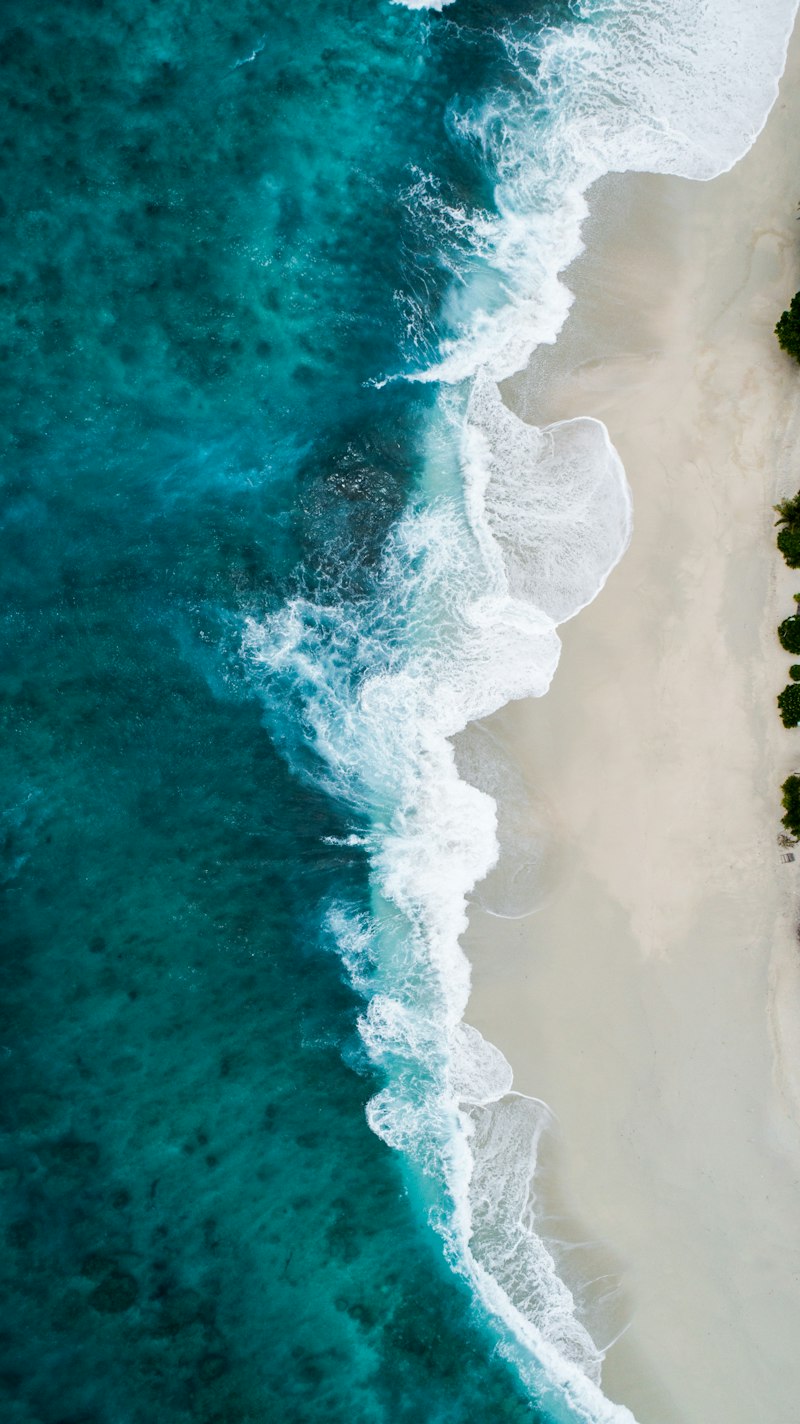
You’re standing on the bank of a river so wide it feels like an ocean—yet it moves. The water isn’t still. It rushes, swirls, carves its own path through the earth, indifferent to your presence. You can hear it: a low, constant roar, like the sound of your own breath amplified. The air smells of wet stone and green things growing. You dip your fingers in, and the water is cold—shockingly so—pulling at your skin like it wants to take you with it. You don’t resist. You let it. For a moment, you’re not standing on the shore. You’re in the current, carried forward, weightless, alive.
Then you wake up. Your sheets are tangled. Your chest is tight. Your hands remember the cold. The dream lingers—not just in your mind, but in your body. That river isn’t just water. It’s something deeper. Something that flows through you, too.
The Symbolic Meaning
In Jungian psychology, the river is a living archetype of the psyche’s flow—your emotions, your life force, the unconscious currents that shape your days. It’s not just water. It’s the movement of your soul. A river doesn’t ask permission. It doesn’t apologize. It simply is—carving canyons, nourishing valleys, flooding when ignored. To dream of a river is to dream of your own inner current: the parts of you that are in motion, the parts that resist, and the parts that are waiting to be carried somewhere new.
The river is also a threshold. It divides land. It connects places. In dreams, it often appears when you’re standing at a crossroads—when something in your life is changing, and you’re not sure if you should step in or stay on the shore. The river doesn’t judge. It only asks: Are you willing to be moved?
The Emotional Connection
You dream of rivers when your life feels like it’s in flux—when you’re grieving, transitioning, or holding onto something that no longer serves you. Maybe you’re leaving a job. Maybe you’re ending a relationship. Maybe you’re finally admitting a truth you’ve buried for years. The river appears when your nervous system is in a state of liminal arousal—that in-between place where fear and excitement live side by side. Your body knows something is shifting, even if your mind hasn’t caught up.
“I kept dreaming of a river that wouldn’t stop rising. I didn’t realize it was my anxiety about my mother’s illness—until I noticed how my stomach would clench every time I thought about the dream. The water wasn’t just in the dream. It was in my body, too.”
— Testimonial from Onera user, mapped to somatic release
Rivers also surface when you’re suppressing emotion. Water, in dreams, is the language of the unconscious. A calm river? You’re in flow. A raging torrent? You’re overwhelmed. A dried-up riverbed? You’re emotionally depleted. Your body is trying to tell you what your mind won’t admit.
Where This Dream Lives in Your Body
Dreams don’t just live in your head. They live in your flesh. When you dream of a river, your body remembers the sensation of being carried, of resisting, of surrendering. Here’s where that emotion gets stuck:
- Your diaphragm — That tightness just below your ribs? It’s the physical echo of holding your breath at the river’s edge, afraid to step in. Your diaphragm clenches when you’re resisting the natural flow of life.
- Your hips — Rivers move forward. So do you—when you’re not stuck. If your hips feel heavy or locked in the dream, they’ll feel that way in waking life, too. Your hips store direction: the fear of moving forward, the grief of leaving something behind.
- Your hands — Did you reach for something in the dream? Did you let go? Your hands remember. They might tingle, or feel numb, or clench into fists when you wake. They’re holding the tension of choice: to grasp or to release.
- Your throat — Rivers make sound. They roar, they whisper, they gurgle. If your throat feels tight after a river dream, it’s because you’re swallowing words—truths you’re not ready to speak, emotions you’re not ready to feel.
- Your feet — The riverbank is a boundary. Your feet know if you’re standing on solid ground or teetering at the edge. If your feet feel unstable when you wake, it’s because your nervous system is still deciding: Do I stay or do I go?
Somatic Release Exercise
River Flow Grounding
What it does: This exercise helps your nervous system recalibrate after the disorientation of a river dream. It mimics the natural rhythm of flowing water, allowing your body to release the tension of resistance and surrender to the current of your own breath.
- Find your riverbank — Sit on the edge of a chair, feet flat on the floor. Imagine you’re sitting on the shore of the river from your dream. Feel the ground beneath you. Notice where your body is holding tension (jaw? shoulders? stomach?).
- Breathe into the current — Place one hand on your belly, one on your chest. Inhale deeply through your nose for 4 counts, imagining the breath is the river flowing into you. Exhale slowly through your mouth for 6 counts, letting the breath carry away the dream’s residue. Repeat for 3 minutes, syncing your breath to the rhythm of water.
- Move with the flow — Stand up. Shift your weight gently from side to side, like a tree swaying in the current. Let your arms hang loose. Imagine the river is moving through you, carrying away stagnation. If your hips feel stiff, exaggerate the movement—let them lead, like a boat rocking on waves.
- Anchor to the shore — Return to sitting. Press your feet firmly into the floor. Place your hands on your thighs. Take three deep breaths, feeling the contrast between the movement of your body and the stillness of the ground beneath you. Whisper to yourself: “I am the river. I am the shore. I am both.”
Why it works: This exercise engages the ventral vagal complex—the part of your nervous system responsible for safety and connection. By mimicking the river’s flow, you signal to your body that movement is natural, that surrender isn’t danger. Peter Levine’s Somatic Experiencing framework shows that rhythmic, fluid movements help discharge trapped survival energy, allowing your system to return to equilibrium.
Dream Variations and Their Specific Meanings
| Dream Scenario | Psychological Meaning | Body Clue |
|---|---|---|
| Dreaming of a calm, clear river | You’re in emotional flow. Life is moving at a pace that feels natural. Your unconscious is saying: Trust the current. | Ease in your chest, relaxed shoulders. |
| Dreaming of a raging, flooding river | You’re overwhelmed by emotion—grief, anger, or fear that feels uncontrollable. The dream is a warning: You can’t dam this forever. | Tight jaw, clenched fists, shallow breathing. |
| Dreaming of a dried-up riverbed | You’re emotionally depleted. Creativity, passion, or connection has stalled. The dream is asking: What’s blocking your flow? | Heavy limbs, fatigue, a sense of emptiness in your gut. |
| Dreaming of crossing a river | You’re at a threshold. A decision, a change, a transformation is near. The dream is testing your readiness: Are you willing to leave the familiar shore? | Tingling in your feet, butterflies in your stomach. |
| Dreaming of being swept away by a river | You feel out of control. Life is moving too fast, and you’re struggling to keep up. The dream is a call to surrender to the process—not fight it. | Dizziness, nausea, a sense of disorientation upon waking. |
| Dreaming of a river at night | The unconscious is calling. You’re being asked to explore hidden emotions, shadow aspects of yourself, or truths you’ve avoided. The dream is an invitation: Dive into the dark. | Chills, a sense of foreboding, or a strange calm in your limbs. |
| Dreaming of a river with no end | You’re grappling with the unknown. A journey, a project, or a relationship feels endless. The dream is reflecting your anxiety: Will this ever resolve? | Restless legs, a sense of agitation in your chest. |
| Dreaming of a river splitting into two | You’re facing a choice. The dream is highlighting a fork in the road—two paths, two versions of yourself. The river is asking: Which current will you follow? | Tension in your neck, a sense of being pulled in two directions. |
| Dreaming of drinking from a river | You’re seeking emotional nourishment. The dream is a sign of thirst—perhaps for connection, inspiration, or healing. The river is offering itself: Take what you need. | Dry mouth, a hollow feeling in your throat. |
| Dreaming of a river turning to blood | A deep wound is surfacing. The dream is revealing trauma, betrayal, or grief that’s been buried. The river is saying: This pain is part of your flow now. | Nausea, a metallic taste in your mouth, heaviness in your limbs. |
📖 Go deeper: The Complete Guide to Dream Interpretation
Related Dreams
When the River Dreams of You
This dream isn’t just about water. It’s about the currents moving through you—emotions you’ve dammed, truths you’ve buried, paths you’re afraid to take. Onera doesn’t just decode the symbol. It maps where the dream lives in your body and guides you through a somatic release tailored to your nervous system’s response.
Discover What Your Dreams Mean →FAQ
What does it mean to dream about a river?
A river in your dream is a mirror of your emotional and psychological flow. It reflects how you’re moving through life—whether you’re in harmony with your inner current or resisting it. A calm river suggests ease; a turbulent one signals overwhelm. The dream is asking you to pay attention to what’s moving beneath the surface of your waking life.
Is dreaming about a river good or bad?
There’s no universal “good” or “bad” in dreams—only information. A river dream is neither positive nor negative. It’s a compass. A raging river isn’t a warning; it’s a message that something in you is ready to be felt. A dried-up riverbed isn’t a curse; it’s an invitation to replenish. The dream’s “meaning” depends on what you’re carrying when you wake.
What does it mean to dream of a river overflowing?
An overflowing river is your nervous system’s way of saying: You’ve reached capacity. It often appears when you’re suppressing emotion—grief, anger, or fear that’s been pushed down for too long. The dream isn’t predicting disaster. It’s revealing what’s already inside you, waiting to be acknowledged. Your body knows before your mind does.
Does the color of the river matter in a dream?
Absolutely. Color in dreams is the language of the unconscious. A clear river suggests clarity and purity of emotion. A muddy river hints at confusion or unresolved feelings. A black river may point to shadow material—parts of yourself you’ve disowned. A red river (or one turning to blood) often signals deep wounding. Pay attention to how the color makes you feel—that’s where the meaning lies.
Disclaimer: The interpretations in this article are based on Jungian psychology, somatic trauma research, and clinical dream analysis. They are not a substitute for professional mental health care. If your dreams cause distress or interfere with daily functioning, consult a licensed therapist.